Find the fish by reading the water
Knowing where fish are likely to hold is one of the most useful skills in any fishing game. Here is how to read northern lakes and rivers with confidence.
Why structure matters
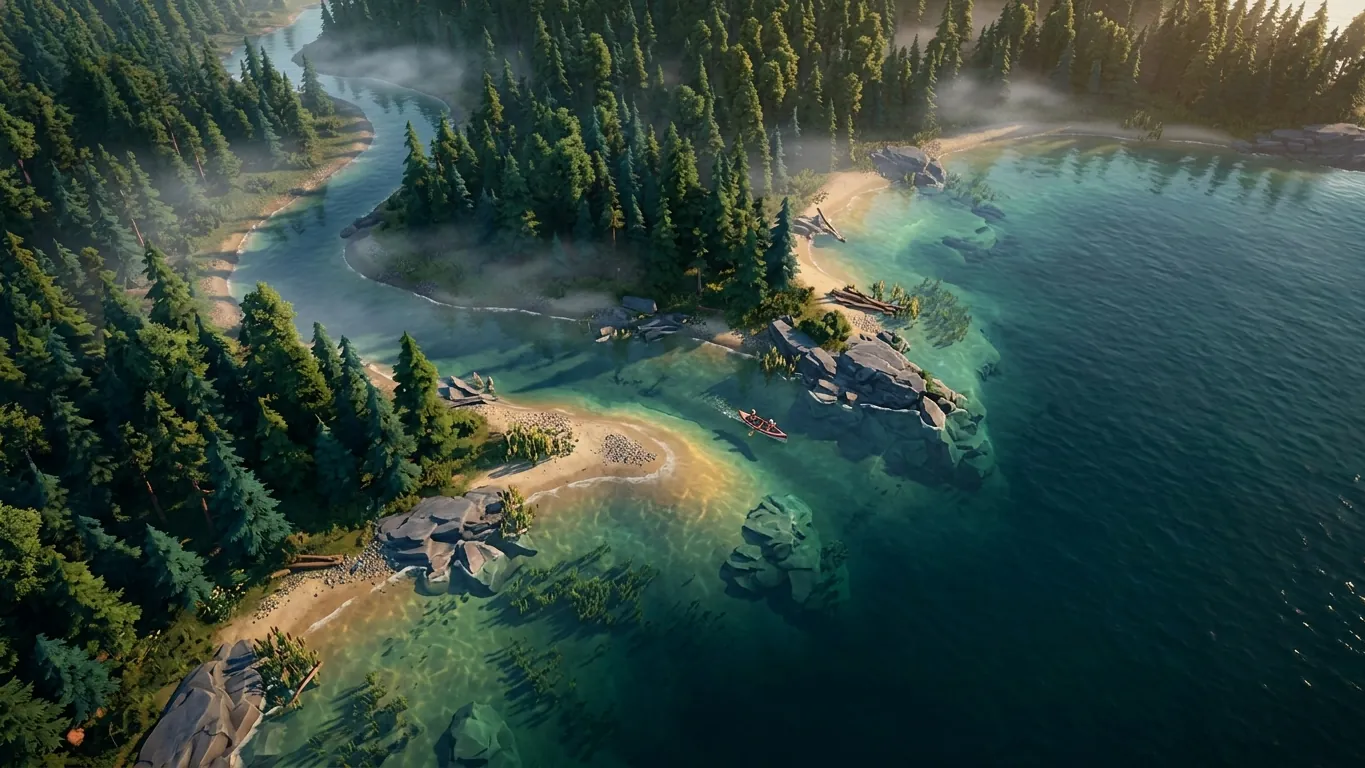
In most fishing games, fish are not spread evenly across the water. They gather around structure: places where the bottom changes, cover exists or food collects. Learning to spot these areas will save you a lot of empty casting.
Look for changes. A shift from shallow to deep, from sand to rock, or from open water to weeds is often where activity happens. Many games show these differences through water color, visible plants or an in-game depth tool.
Lake features to look for
Weed beds are a classic spot for pike, bass and perch. Fish near the outer edge where weeds meet deeper water.
Rocky points that extend into the lake often attract smallmouth bass and walleye, especially where the point drops into deeper water.
Drop-offs, where shallow flats fall away into depth, can hold many species at different times of day. Try fishing along the edge rather than straight across it.
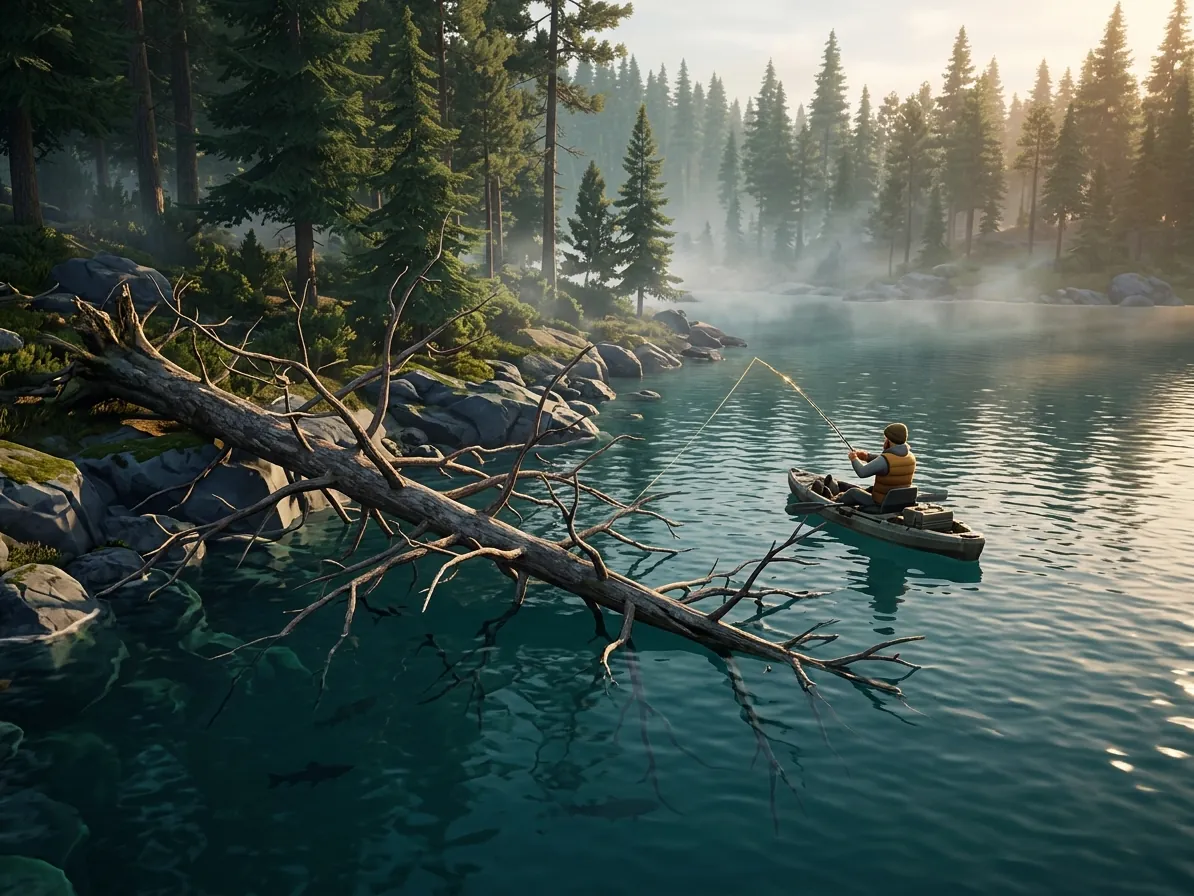
Docks, fallen trees and boulders provide shade and cover, which many game fish seem to favor during bright conditions.
River features to look for
Rivers add current, which changes how fish behave. Many games place fish where they can rest out of strong flow while waiting for food to drift past.
Good places to try include the slower water behind large rocks, the inside of river bends, deeper pools below rapids and the seams where fast and slow currents meet. Casting slightly upstream and letting your lure or bait drift naturally is a common technique worth practicing.
Planning a route around a lake
A simple plan can help you cover water efficiently instead of staying in one spot all day.
- 01
Scan the map
Look for points, bays, inlets and visible weed areas before you start fishing.
- 02
Pick three to four spots
Choose a mix of shallow and deep areas so you can adjust to conditions.
- 03
Give each spot a fair try
Make several casts covering different angles and depths before moving on.
- 04
Note what worked
Remember which spots produced bites so you can return to them on future trips.
Let conditions guide you
The best spot in the morning may not be the best spot in the afternoon. Many games shift fish shallower in low light and deeper in bright sun or heat. Wind can also push food toward certain shorelines.
If a productive spot goes quiet, think about what changed. A small adjustment in depth or a move to a nearby shaded area is often enough to find the fish again. Reading water is a skill that grows with every trip, so enjoy the learning process.
Related articles
 Winter adventures on frozen northern lakes
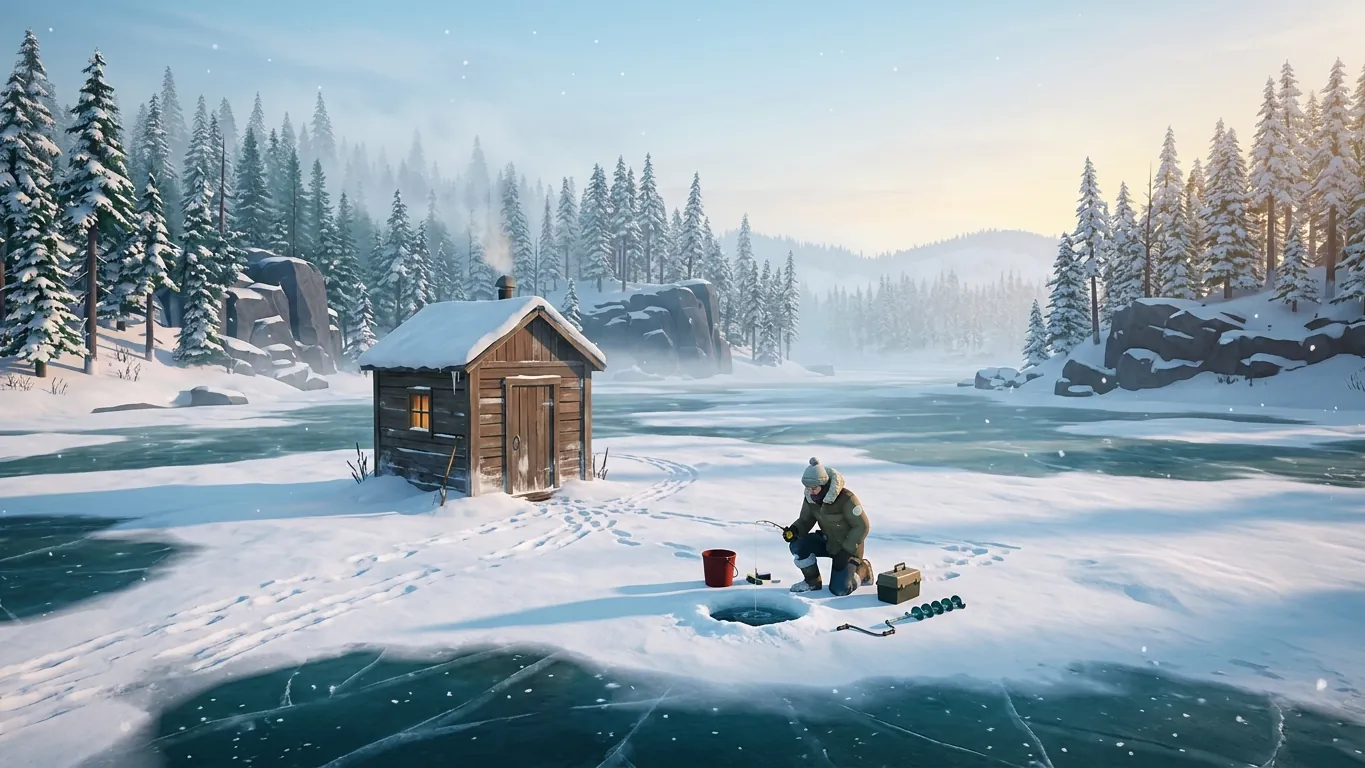
Explore ice fishing in Canadian-themed games: drilling holes, choosing depth, jigging techniques and staying patient on frozen virtual lakes.
Read more
 Timing your trips on northern waters
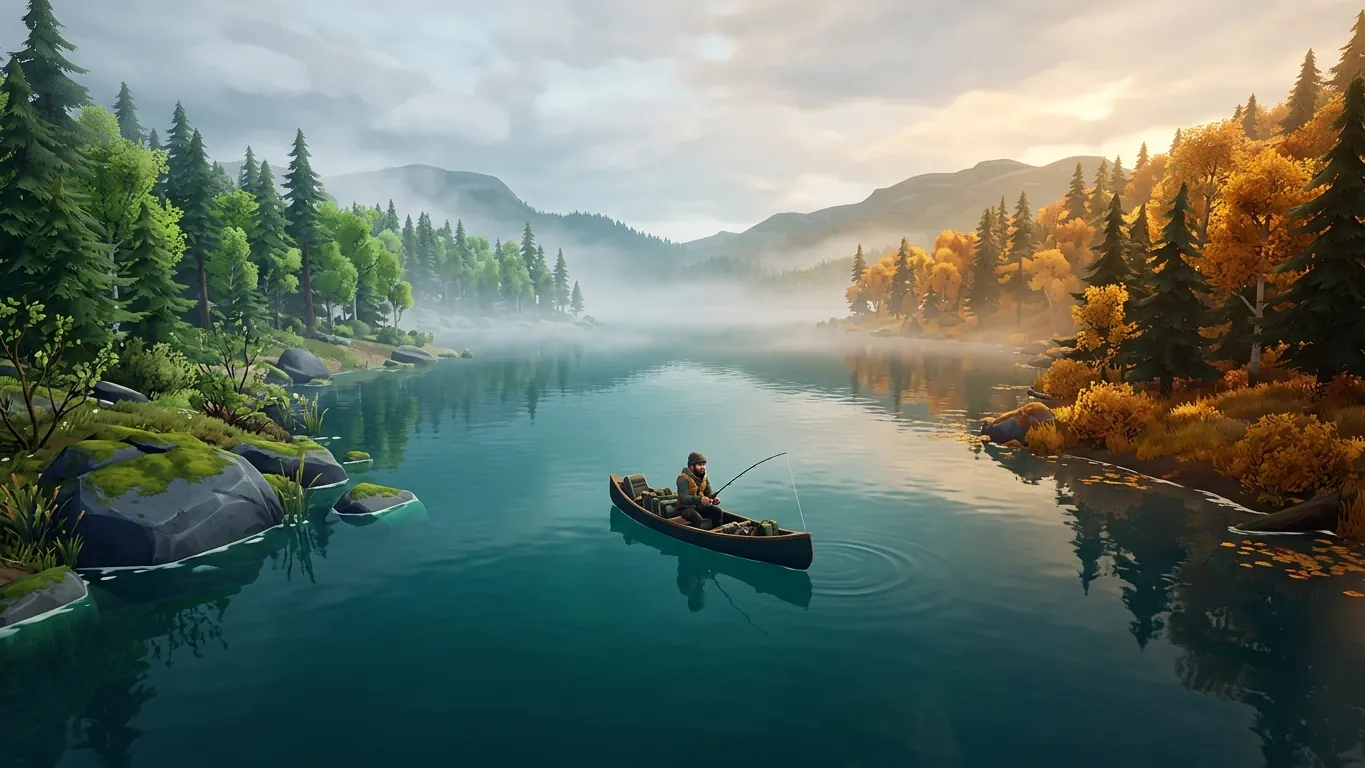
Understand how seasons, weather and time of day often affect fish behavior in Canadian-themed fishing games, with tips for planning better sessions.
Read more
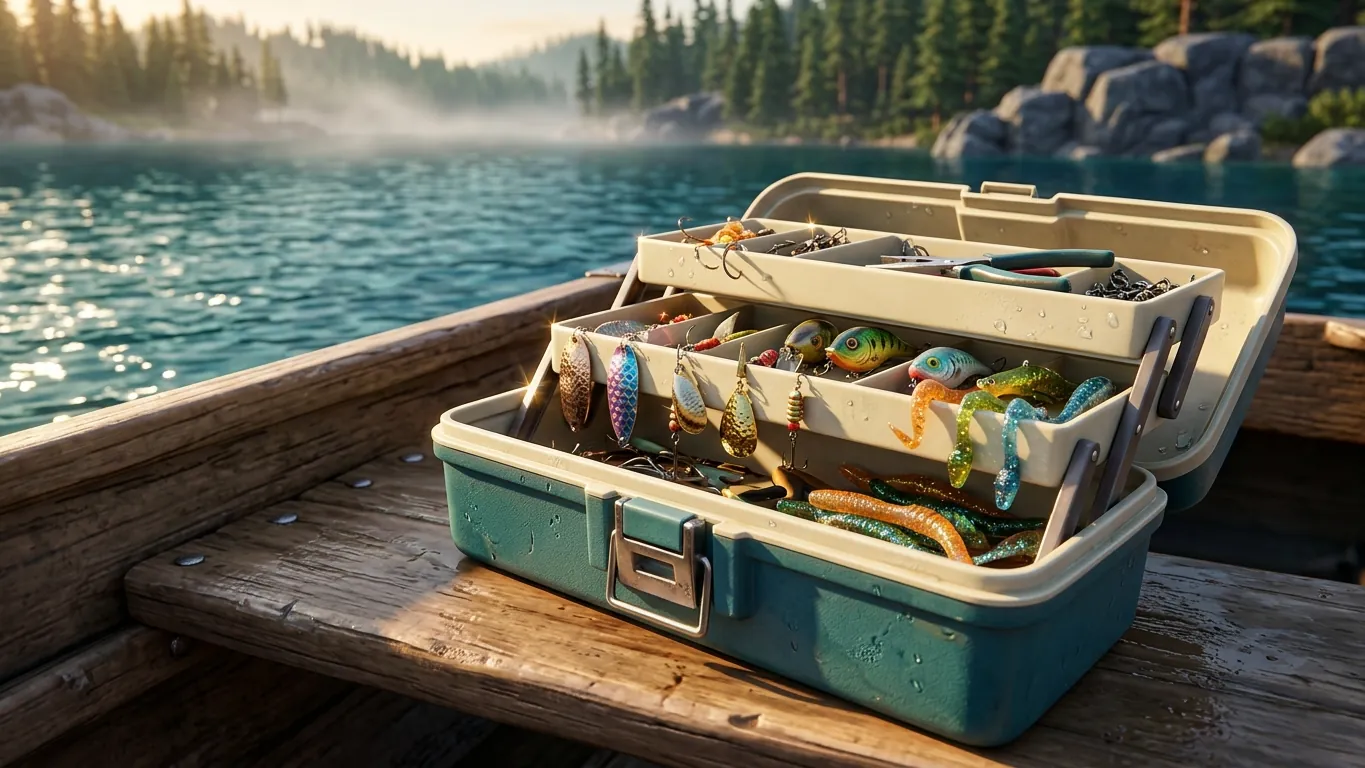 Picking the right lure for northern waters
A clear guide to spoons, spinners, crankbaits, soft plastics, jigs and natural baits in fishing games set in Canadian lakes and rivers.
Read more