Timing your trips on northern waters
Many fishing games simulate changing seasons, weather and daylight. Learning how these conditions often affect fish can make each session more rewarding.
Why conditions matter
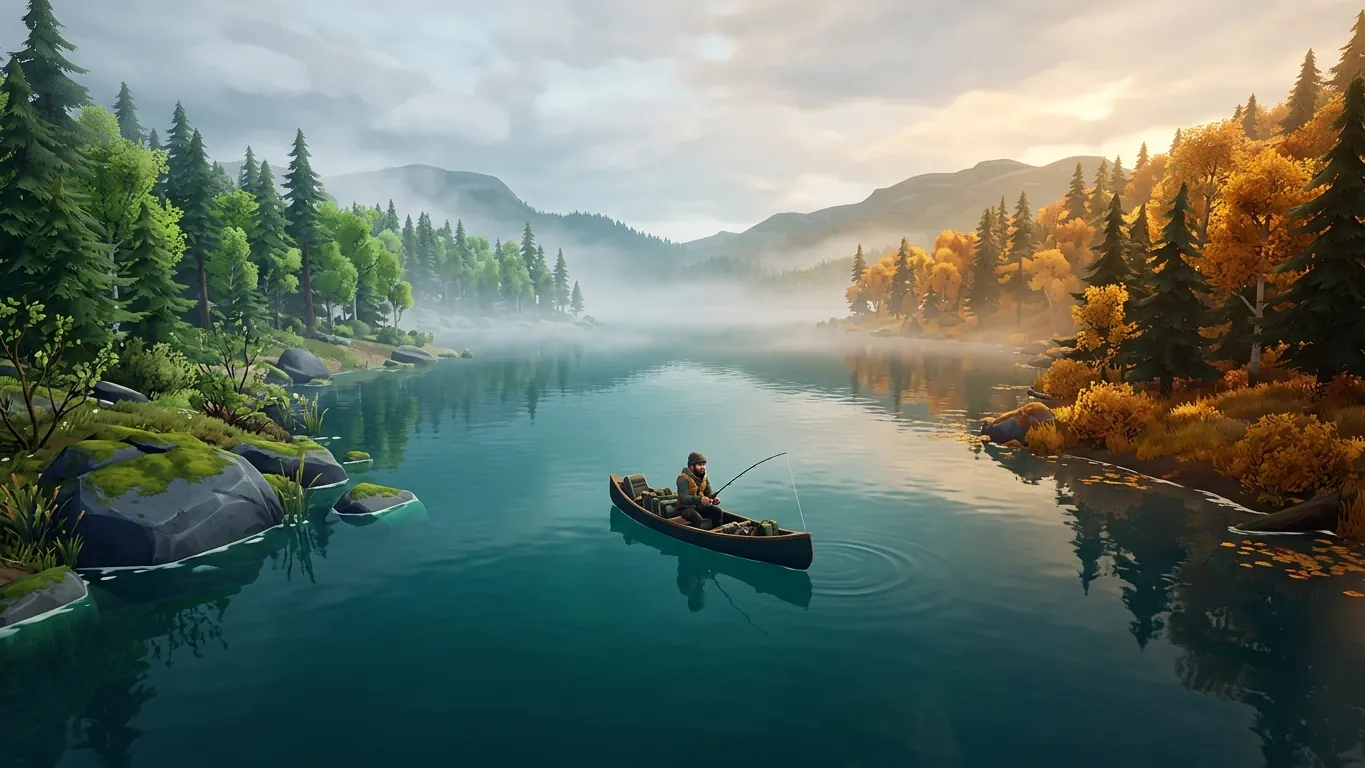
In real life, fish respond to water temperature, light and food. Many fishing games borrow these ideas to make their worlds feel alive. That means the same spot can be busy one hour and quiet the next.
The good news is that conditions often follow patterns. Once you notice them, you can plan your sessions with more confidence and spend less time guessing.
Time of day
Dawn and dusk are popular times in many games. Lower light often brings species like walleye and pike into shallower water to feed. Midday sun may push some fish deeper or into shaded cover.
Night fishing, where available, can offer a different set of opportunities. Some games give certain species more activity after dark. If your game allows, try fishing the same spot at morning, noon and evening, and compare the results.
Weather effects
Cloudy, overcast days are often associated with more active fish in many games, since reduced light can make fish less cautious. Light rain may have a similar effect.
Wind can push surface food toward certain shorelines, so fishing the windward side of a lake is worth trying. Strong storms, on the other hand, might make fishing harder or change where fish hold. Pay attention to in-game weather forecasts if your game offers them.
Seasonal patterns
Spring settings in many games bring fish into shallower water as it warms. This can be a great time for bass and pike near weedy bays.
Summer often pushes some species deeper during the heat of the day, while shallows come alive in the morning and evening. Lake trout may sit far down in cold water.
Autumn can bring strong feeding activity as fish prepare for winter, and some games feature seasonal salmon runs in rivers.
Winter, where included, opens up ice fishing with its own slower pace and techniques.
Building your own pattern notes
Every game has its own rules, so the most reliable guide is your own experience. Keep a simple log with the date in game, time, weather, location, lure and what you caught.
After a few sessions, you will start to see patterns specific to your favorite lakes. This turns each trip into a small experiment and makes progress feel satisfying, even on days when the fish are shy.
Related articles
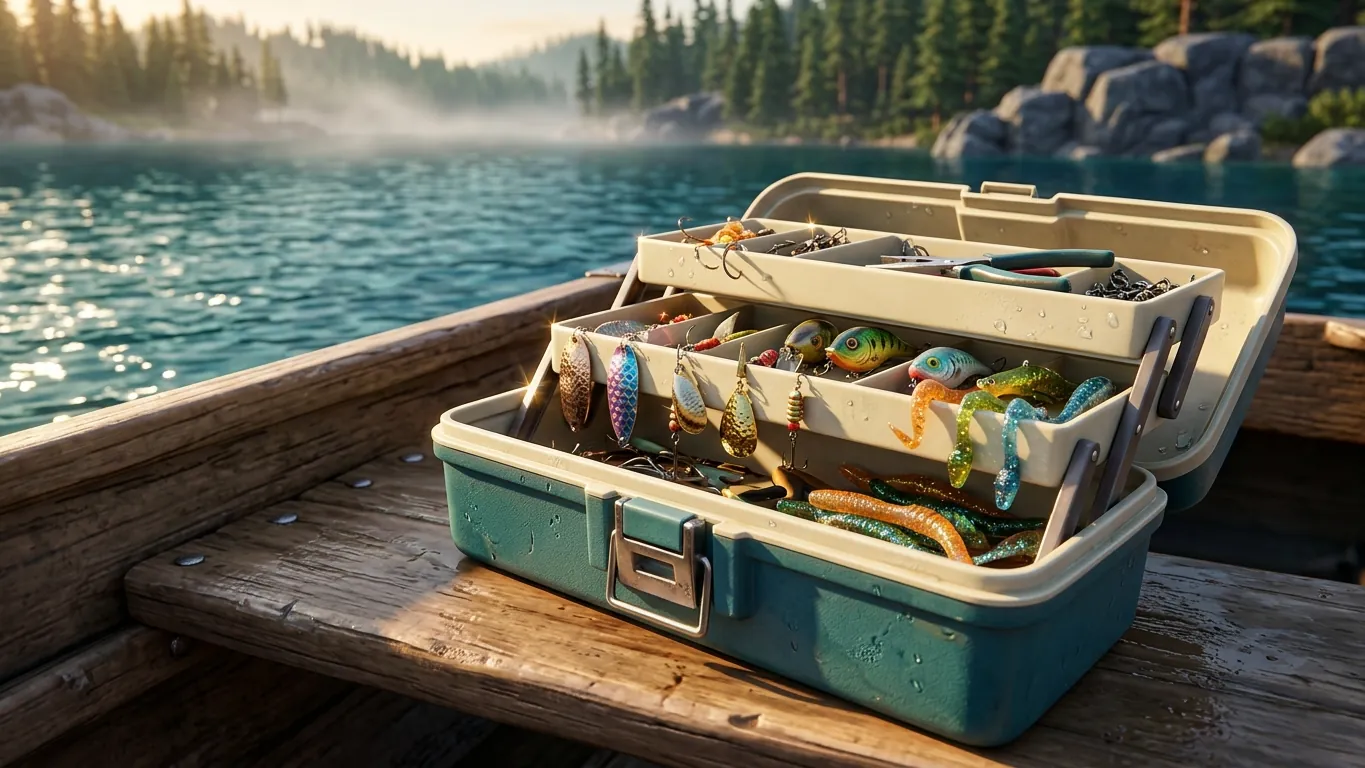 Picking the right lure for northern waters
A clear guide to spoons, spinners, crankbaits, soft plastics, jigs and natural baits in fishing games set in Canadian lakes and rivers.
Read more
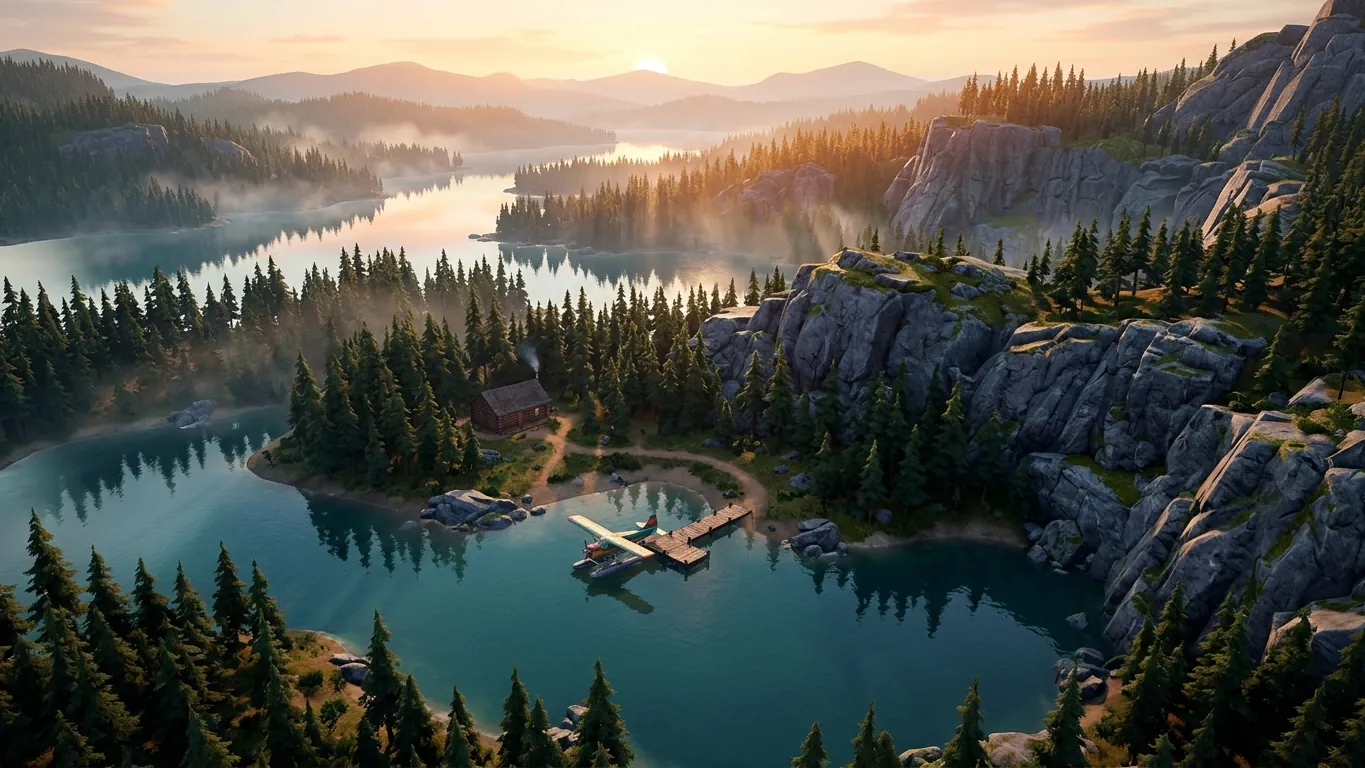 The quiet appeal of northern waters
An opinion piece on why lakes, rivers and frozen bays inspired by Canada make such calm, varied and rewarding settings for fishing video games.
Read more
 Set your own goals for a year on the water
Ideas for setting personal goals in Canadian-themed fishing games in 2026: species challenges, skill practice, logbooks and relaxed seasonal plans.
Read more