Your first trip to virtual Canadian waters
Starting a fishing game can feel like stepping into a huge wilderness. This guide walks you through the basics so your first sessions feel relaxed and rewarding.
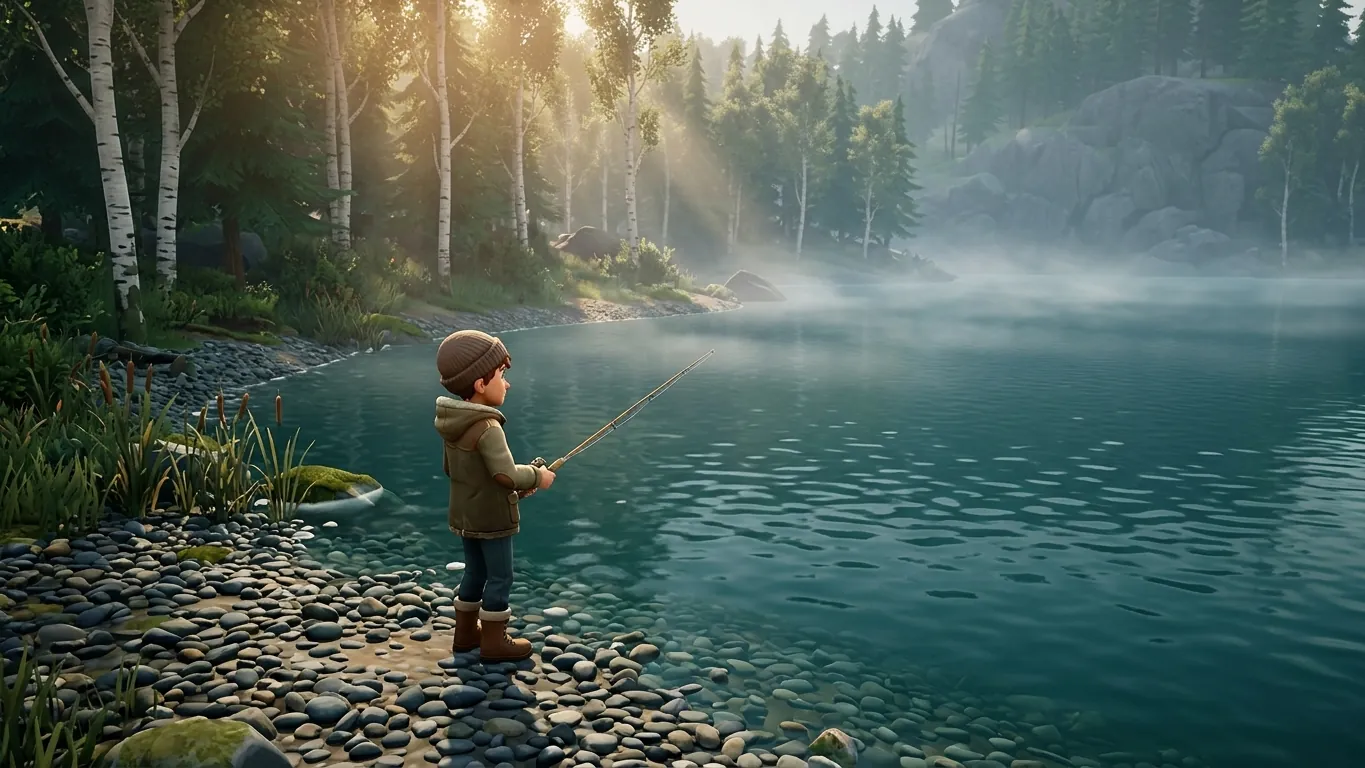
Why start with Canadian settings
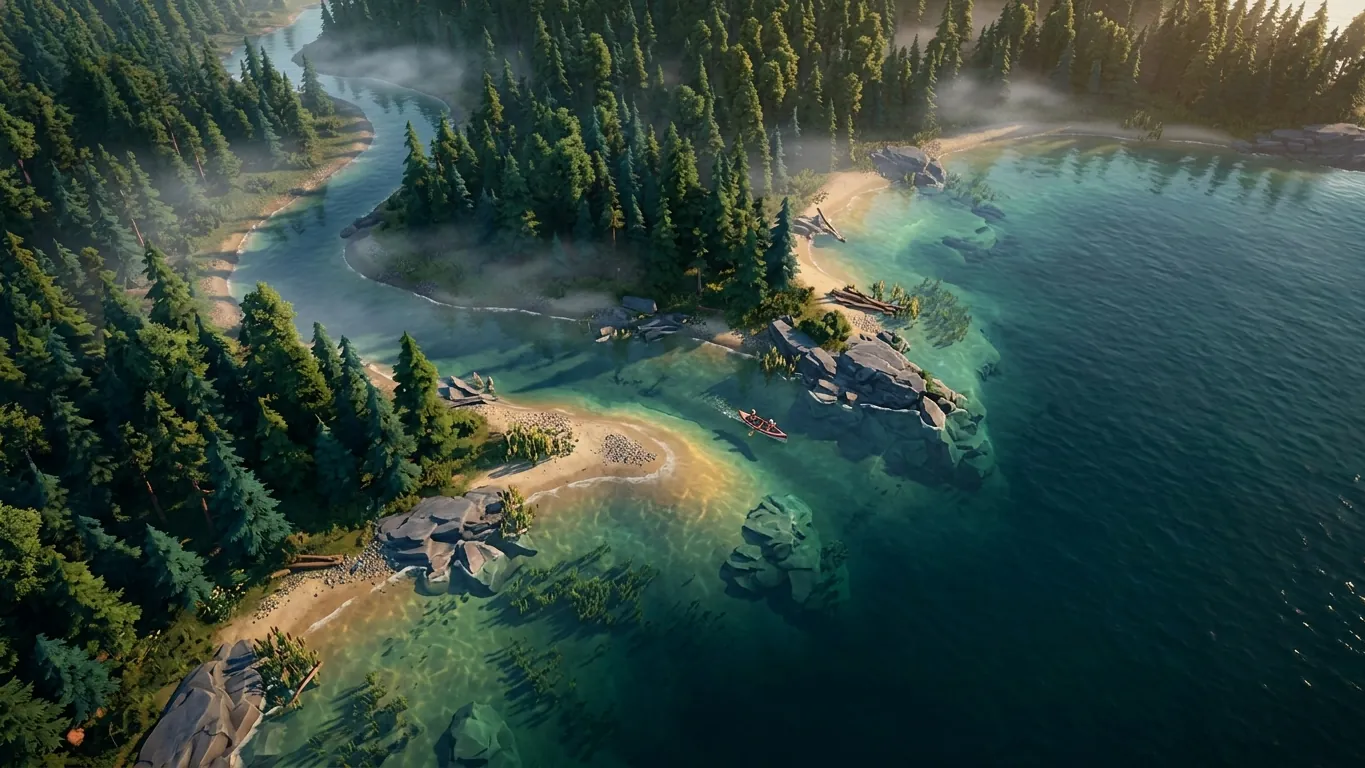
Many fishing games feature locations inspired by Canada because they offer so much variety in one place. A single map might include shallow weedy bays, deep cold basins, rocky points and river inlets. That variety is great for beginners, because you can try different techniques without traveling far.
Canadian-themed waters also tend to include species that are fun to learn on. Perch and smallmouth bass are often active and forgiving, while pike add excitement once you are ready for a bigger fight. Starting here gives you a natural path from easy catches to more demanding challenges.
Understanding the core loop
Most fishing games share a similar rhythm. You choose a spot, prepare your tackle, cast, wait or retrieve, detect a bite, set the hook and then reel in the fish while managing line tension.
The most important skill for beginners is patience during the fight. If you reel too hard while a fish is pulling, many games will show rising tension and the line may snap. Letting the fish run a little, then reeling when it slows down, is a common approach that works across many titles.
Take your time learning how your chosen game signals a bite. Some use rod tip movement, others use a float dipping under the surface, sounds or controller vibration. Once you recognize these cues, everything else gets easier.
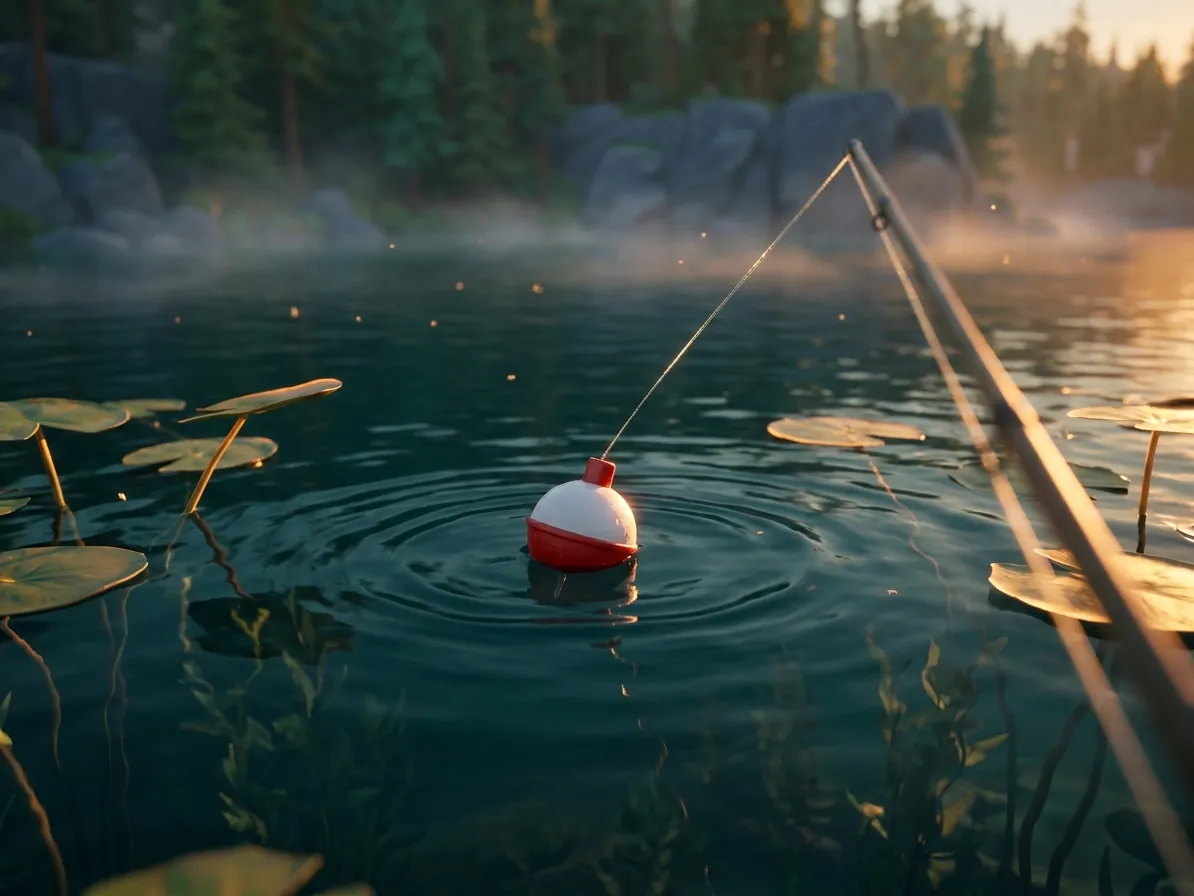
A simple first session plan
If you are not sure where to begin, try this relaxed routine on your first day.
- 01
Pick a calm, small lake
Smaller waters with docks and weed edges are easier to read and usually hold active fish.
- 02
Use a light, all-round setup
A light spinning rod or a simple float rig is a gentle way to learn bite detection.
- 03
Fish the edges
Cast near weeds, logs or the end of a dock rather than into open water.
- 04
Move if nothing bites
If an area stays quiet for a while, try a new spot. Moving is part of the fun.
Common beginner mistakes
One frequent mistake is casting far out into the middle of a lake. Open water can hold fish, but in many games the edges, structure and drop-offs are more productive for new players.
Another is changing too many things at once. If you switch lure, depth and location at the same time, it is hard to know what made the difference. Try changing one thing at a time and watch what happens.
Finally, do not worry about chasing the rarest fish right away. Building confidence with common species teaches you how the game's systems work, and that knowledge pays off later.
Enjoy the quiet moments
Fishing games are not only about catching. The sound of wind in the pines, a loon calling across the lake and a slow sunset over the hills are a big part of the experience. Give yourself permission to relax.
When you feel ready, explore our other articles on gear, species and reading the water. Every trip teaches you something new, and the northern lakes will still be there waiting for your next cast.
Related articles
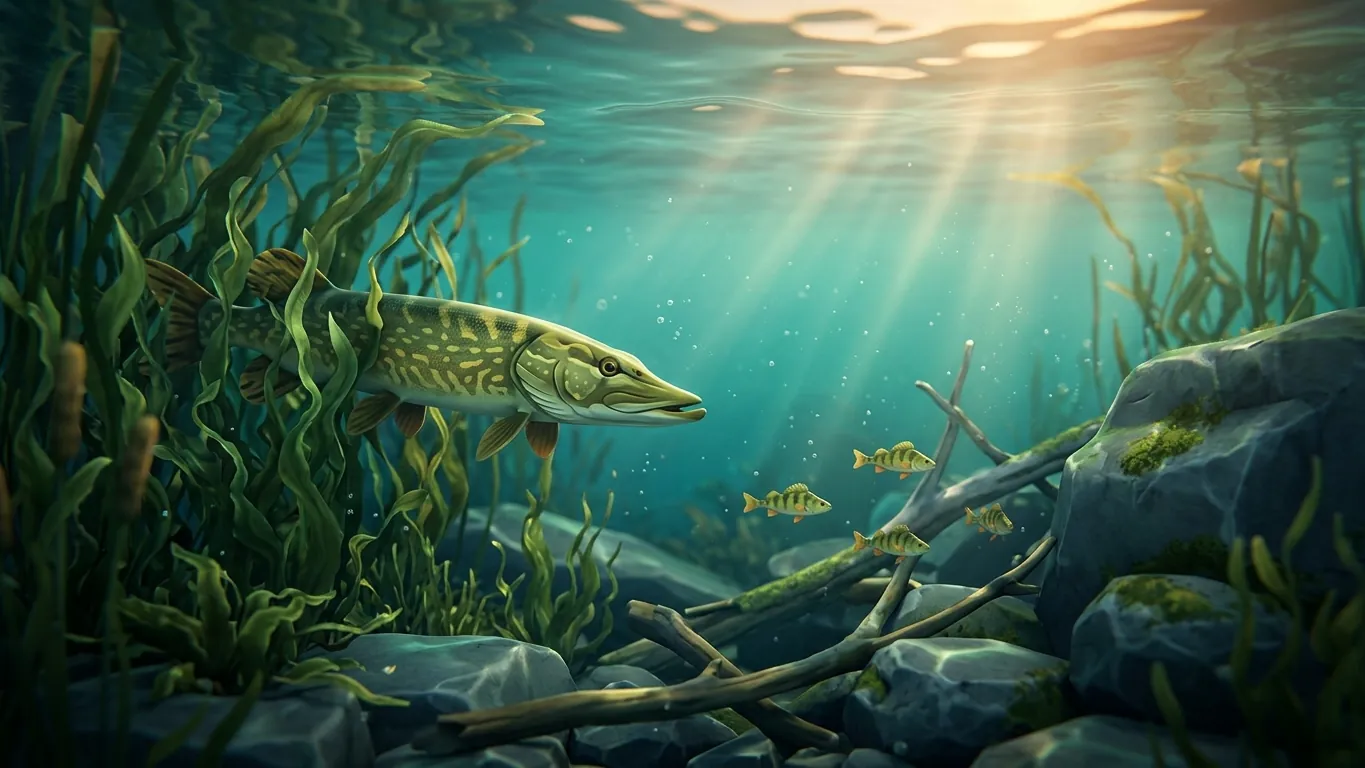 Meet the fish of the northern lakes
An explainer on pike, walleye, lake trout, muskellunge, bass and salmon in Canadian-themed fishing games, with tips on where players usually find them.
Read more
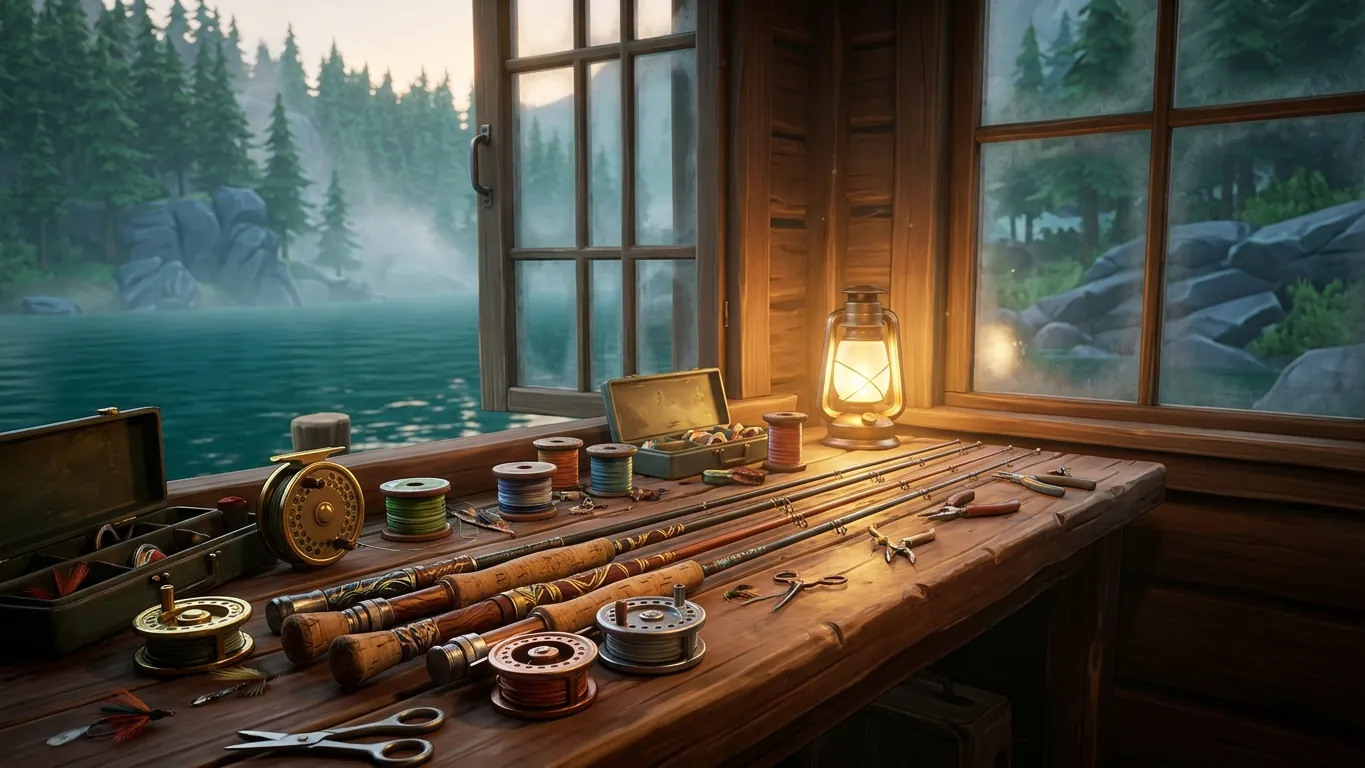 Building balanced setups for northern fishing
Learn how to think about rods, reels, lines and leaders in fishing games set in Canada, so you can build balanced setups for different species.
Read more
 Find the fish by reading the water
Practical tips for reading water in Canadian-themed fishing games: weed beds, drop-offs, rocky points, river bends and how to plan a productive route.
Read more